


Eye Center of Hawaii and Dr. Farhad Safi became the first ophthalmology practice and physician in Hawaii to perform a procedure using the FDA approved DURYSTA™ bimatoprost implant for glaucoma patients.
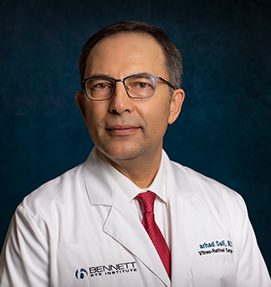
Dedicated to bringing the most advanced technology to the patients of Hawaii, Eye Center of Hawaii and Dr. Farhad Safi became the first ophthalmology practice and physician in Hawaii to perform a procedure using the FDA approved DURYSTA™ bimatoprost implant for glaucoma patients. DURYSTA is the first of its kind, aimed to reduce intraocular pressure (IOP) in patients with open angle glaucoma (OAG) or ocular hypertension (OHT) using a sustained-release system.
“Today’s FDA approval marks a breakthrough milestone for the glaucoma community and provides a much-needed option for patients challenged with topical drops or needing alternative options,” said David Nicholson, Chief Research and Development Officer at Allergan, the maker of DURYSTA.
Known as the “silent thief of sight,” glaucoma impacts millions of people every year. Most forms of glaucoma are associated with high intraocular pressure (IOP), but the disease can also develop in people with normal or low eye pressure. Believed to lower intraocular pressure by 30%, the DURYSTA implant provides continuous drug delivery, reducing or completely eliminating the need for eye drops, a traditional therapy for many patients but one that comes with high costs and inconvenience.
DURYSTA is meant for patients with mild to moderate glaucoma. To learn more about the DURYSTA implant procedure and other services provided at Eye Center of Hawaii, please send an email to Anu Nullar at anullar@eyecenterofhawaii.com or call (808) 955-0255.


Our eyes have natural blind spots where the optic nerve connects to the retina, but you probably never notice them. That’s because your brain fills in the missing information, stitching together glimpses from your eyes into a complete picture! #FunFactFriday ... See MoreSee Less
0 CommentsComment on Facebook
As we get older, it’s common for the eye’s natural lens to become cloudy. Cataracts can slowly make colors seem duller and everyday activities like reading or driving more difficult. The good news is that today’s cataract surgery can restore clearer vision and help you get back to the things you enjoy most. Schedule an exam to learn about your options. 👁️ ... See MoreSee Less
0 CommentsComment on Facebook
Macular degeneration affects the part of your vision you rely on most for everyday tasks. It can make your vision blurry, dim, or distorted. If something in your central vision doesn’t seem quite right, it’s worth getting it checked.
Our team is here to help you protect your vision. Schedule an appointment to learn more! 📞 ... See MoreSee Less
0 CommentsComment on Facebook
We are proud to welcome Dr. Elwishahi to our Waipahu office. Dr. Elwishahi is committed to improving the vision, health, and quality of life of Hawaiʻi’s communities through comprehensive, compassionate, and evidence-based eye care that is personalized to meet the unique needs of each patient. Call us today to schedule your exam! ... See MoreSee Less
0 CommentsComment on Facebook
You blink about 14,000–19,000 times a day, spreading tears that protect, nourish, and keep your eyes comfortable. Blinking is one of your eyes’ most important defense systems.
But did you know, you may not be blinking right? You may not be fully closing your eyes, or blinking enough? It can be one of the causes of dry eye and one of the MANY things we check for in our comprehensive screening. It’s one of the reasons our dry eye team has so many happy and relieved patients!
#FridayFact ... See MoreSee Less
0 CommentsComment on Facebook
Cataract surgery has come a long way.
Laser-assisted cataract surgery allows for greater precision, customization, and the ability to correct astigmatism — helping patients achieve clearer, more predictable results.
Advanced technology. Personalized vision.
Schedule your cataract exam today! ... See MoreSee Less
0 CommentsComment on Facebook