


What is a cataract?
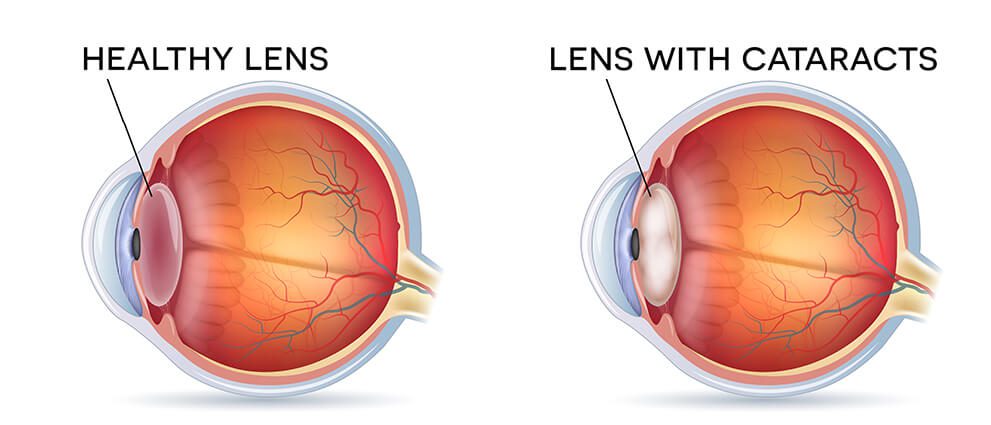
A cataract forms when the natural lens of the eye becomes clouded with proteins, which can impact vision over time. While cataracts most often develop as a result of aging, they can also be present at birth or occur as a result of uncontrolled diabetes, physical trauma to the eye, or overexposure to the sun.
How do cataracts affect vision?
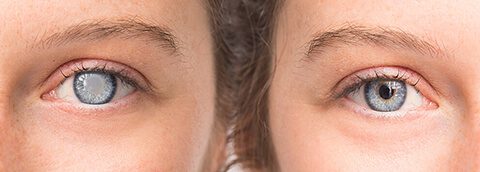
As the lens of the eye grows cloudy, cataracts can cause your vision to slowly decline and become blurry, dim, and dull. This can result in difficulty reading, recognizing faces, driving at night, or using a computer. Because they develop so gradually, the early stages of cataracts are typically not noticeable. Regular eye exams are crucial to help diagnose cataracts and develop a treatment plan to prevent long-term vision loss.
When do you get cataracts?
Anyone can get cataracts, but people over age 40 are at the highest risk. While many assume that cataracts are an eye condition that only affects seniors, plenty of middle-aged people also struggle with cataracts. For this reason, we recommend you schedule an eye exam every year after you turn 40. Early detection and consistent office visits ensure your eye doctor has the best opportunity to monitor the health of your eyes and recommend treatment as necessary.
How do you prevent cataracts?
There is no way to prevent cataracts. There are, however, things you can do to lower your risk for developing cataracts at an earlier age.
Increased risk for cataracts is associated with:
- Smoking
- Excessive drinking
- Sun damage
- Poor diet
- Diabetes
To lower your risk, try to lead a healthy lifestyle. Proper nutrition, wearing sunglasses to protect your eyes, and avoiding cigarettes and binge drinking can lower your risk for cataracts. If you have diabetes, maintaining your blood sugar levels can also lower your risk and improve your overall health.
How do you know if you have cataracts?
Most people don’t notice any changes to their vision when cataracts first develop. Over time, however, symptoms may become more apparent.
Some signs of cataracts include:
- Blurry or cloudy vision
- Poor night vision
- Sensitivity to light
- Seeing halos and excessive glare from light sources
- Trouble seeing contrast between colors
- Monocular double vision (seeing double in one eye)
Many individuals with cataracts may also struggle to see when performing up-close tasks like reading, which can be confused for age-related farsightedness (presbyopia). The best way to determine the cause of vision problems is to schedule an eye exam. Cataracts require an official diagnosis from a licensed eye care professional before treatment can be recommended.
How do you treat cataracts?
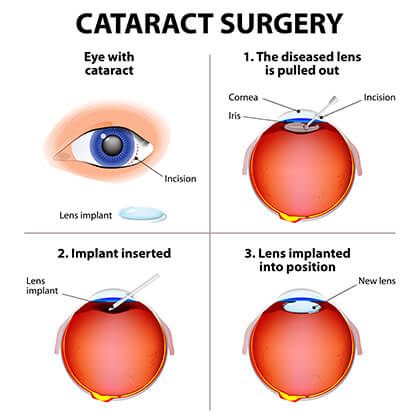
The only effective method to treat cataracts is to remove the eye’s natural lens and replace it with an intraocular lens (IOL) during cataract surgery. Surgery is never a trivial thing, but it’s important to note that cataract surgery is extremely common and surprisingly simple. In fact, it’s one of the most commonly performed medical procedures in the country.
While cataract surgery is an elective procedure, it’s often considered medically necessary to restore a patient’s vision. Untreated cataracts can eventually lead to total blindness, although blindness as a result of cataracts can be entirely reversed by surgery.
When do I need cataract surgery?
Doctors usually recommend cataract surgery once cataracts start to affect your quality of life. Quality of life is determined by how hard it is to perform daily activities — for example, driving at night can be very difficult for people with advanced cataracts. If you regularly drive when it’s dark out and you no longer feel safe doing it, that’s a good indication that it may be time to consider cataract surgery.
What happens during cataract surgery?
While all surgeries involve some level of risk, cataract surgery is considered a very low-risk, outpatient procedure. It often doesn’t take more than half an hour.
The surgery is performed while the patient is awake. Special eye drops are administered that numb the eye before surgery, which prevents the patient from feeling any pain. The patient may also be given a mild sedative to help them relax.
Once the patient is comfortable, a small incision is made through the cornea to access the lens. The surgeon then inserts an ultrasonic device through the incision that functions to break up the lens. After, another small device is inserted to remove the broken pieces.
In the past, cataract surgery left individuals without a lens in their eye, which necessitated the use of thick glasses after surgery. Advancements in medical technology resulted in an artificial lens implant called an intraocular lens or IOL. The folded-up IOL is inserted through the corneal incision where it automatically unfurls to replace the natural lens.
What happens after cataract surgery?
No sutures are required to close the incision since it’s small enough to heal on its own. The patient goes home that same day and recovery is quick — most people report clear vision within several hours of their procedure. We recommend finding a ride to and from our outpatient clinic on the day of your surgery, as it is not safe to drive after cataracts are removed.
How long does it take to recover from cataract surgery?

It takes approximately a month for the eye to fully heal, but every patient is unique and there are many factors that can affect recovery. Your doctor will schedule a follow-up appointment the next day to ensure your eye is healing properly. It’s normal to experience dry eyes and mild irritation in the days after cataract surgery, but if you experience ongoing pain or irritation, contact us to discuss treatment options.



No more posts