


Condition
Age-related Macular Degeneration (AMD) is the leading cause of vision loss and blindness in Americans ages 65 and older. The condition occurs when the macula, which is the part of the retina responsible for the sharp, central vision needed to read or drive, deteriorates. Because the macula primarily is affected in AMD, central vision loss may occur. There are two forms of AMD: wet and dry. Patients with wet AMD develop new blood vessels under the retina. This causes hemorrhages, swelling, and scar tissue. Dry AMD is much more common and is characterized by drusen (small, yellowish deposits) and loss of pigment in the retina.
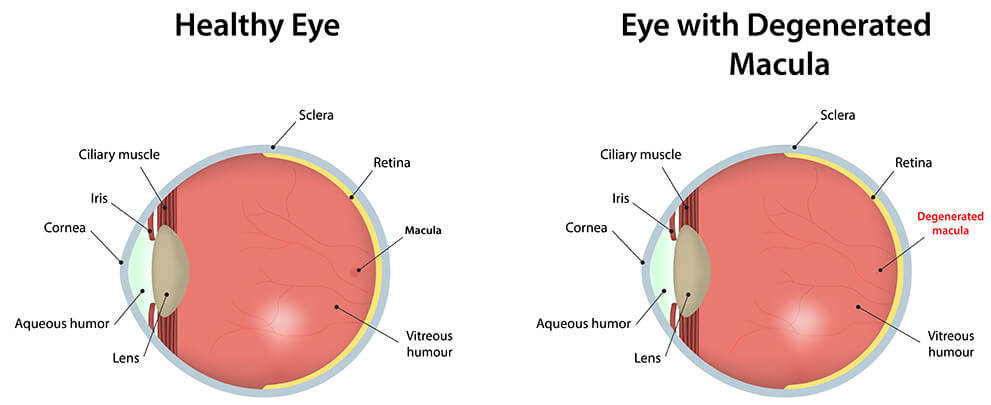
Risk factors include:
- Heredity
- smoking
- blue eyes
- high blood pressure
- cardiovascular disease
Prevalence
1.75 million U.S. residents have advanced age-related macular degeneration. The number of cases is expected to rise to almost 3 million by 2020.
Symptoms
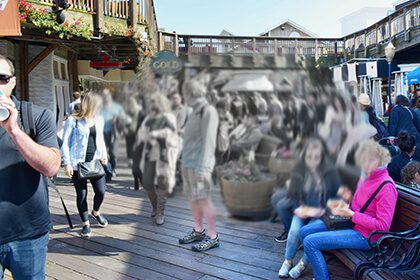
Macular degeneration usually produces a slow, or rarely, sudden painless loss of vision. Early signs of vision loss from AMD include shadowy areas in your central vision or unusually fuzzy or distorted vision. Retinal exams can detect early signs of macular degeneration before symptoms occur. When macular degeneration is suspected, a brief test to measure your central vision may be performed.
Treatment
Eye Center of Hawaii is proud to be the first and only provider on the Big Island to offer the first and only treatment for dry age-related macular degeneration that can improve vision!
✓ SAFE ✓ EFFECTIVE ✓ COMFORTABLE ✓ FDA-APPROVED
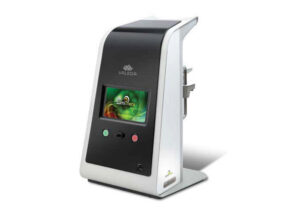
How Valeda Works
Valeda delivers photobiomodulation (PBM), a form of low-level light therapy that uses targeted wavelengths of light to boost cellular energy within the eye. By enhancing the function of retinal cells, Valeda supports healthier tissue—an essential part of maintaining strong, dependable vision.
Patients using Valeda may experience clearer vision both now and over time. Imaging of the retina has shown positive changes, including reductions in drusen, the protein deposits commonly associated with dry age-related macular degeneration (AMD).
What to Expect During Valeda Therapy
Valeda sessions are simple, gentle, and designed with your comfort in mind. The treatment does not involve eye drops, medications, or injections, and patients generally report no discomfort during or after the procedure. You’ll sit comfortably at the Valeda device while the team walks you through each step.
Each session lasts less than five minutes per eye. A full treatment series includes nine sessions, typically scheduled over a period of three to five weeks. Most patients repeat a series about every four months, though your eye doctor will recommend the schedule that best fits your needs.
After Your Session
Some patients notice a temporary afterimage from the bright light used during treatment. This effect—called photostress—usually fades within 15–30 seconds. Once your appointment is complete, you can return to your normal routine right away.
Wet AMD Options
Currently, Eye Center of Hawaii is excepting enrollment for a clinical trial, which seeks a new care option for wet AMD. NeoVista’s Novel Wet AMD Therapy includes a one-time treatment of a targeted dose of beta radiation to leaking blood vessels and two injections of anti-vascular endothelial growth factor. Other treatment options for wet AMD are also available.



Your eyes work hard every day, make sure they’re protected year-round! Visit our Kona, Kauai, and Kailua optical locations where our opticians can help you find frames and lenses that fit your lifestyle, vision needs, and budget. 🕶️ ... See MoreSee Less
0 CommentsComment on Facebook
A.
Glaucoma is often called the “silent thief of sight” because it can steal your vision slowly without you noticing. It usually starts with your peripheral vision, and by the time symptoms appear, some damage may already be done. Regular eye exams are the best way to catch it early and protect your sight for the years ahead. ... See MoreSee Less
0 CommentsComment on Facebook
Our eyes have natural blind spots where the optic nerve connects to the retina, but you probably never notice them. That’s because your brain fills in the missing information, stitching together glimpses from your eyes into a complete picture! #FunFactFriday ... See MoreSee Less
0 CommentsComment on Facebook
As we get older, it’s common for the eye’s natural lens to become cloudy. Cataracts can slowly make colors seem duller and everyday activities like reading or driving more difficult. The good news is that today’s cataract surgery can restore clearer vision and help you get back to the things you enjoy most. Schedule an exam to learn about your options. 👁️ ... See MoreSee Less
0 CommentsComment on Facebook
Macular degeneration affects the part of your vision you rely on most for everyday tasks. It can make your vision blurry, dim, or distorted. If something in your central vision doesn’t seem quite right, it’s worth getting it checked.
Our team is here to help you protect your vision. Schedule an appointment to learn more! 📞 ... See MoreSee Less
0 CommentsComment on Facebook
We are proud to welcome Dr. Elwishahi to our Waipahu office. Dr. Elwishahi is committed to improving the vision, health, and quality of life of Hawaiʻi’s communities through comprehensive, compassionate, and evidence-based eye care that is personalized to meet the unique needs of each patient. Call us today to schedule your exam! ... See MoreSee Less
0 CommentsComment on Facebook